Free
- All 39 patterns, and your own
- One chosen piece, from any sliced file
- 3D preview, layer by layer
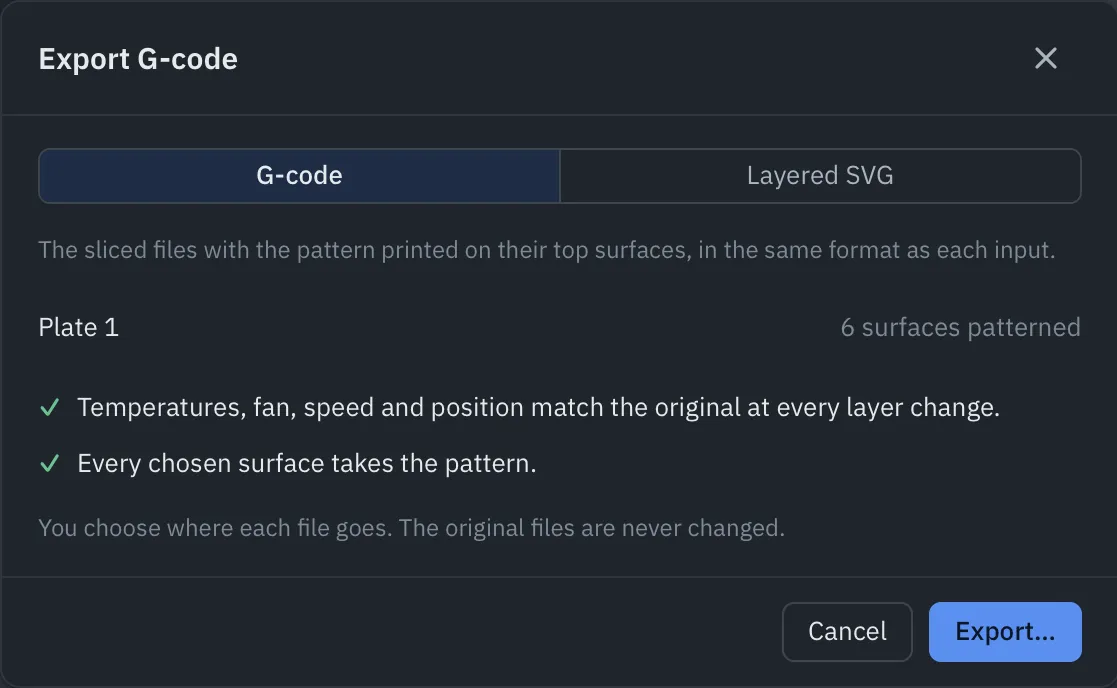
- G-code export
- Pattern packs to share
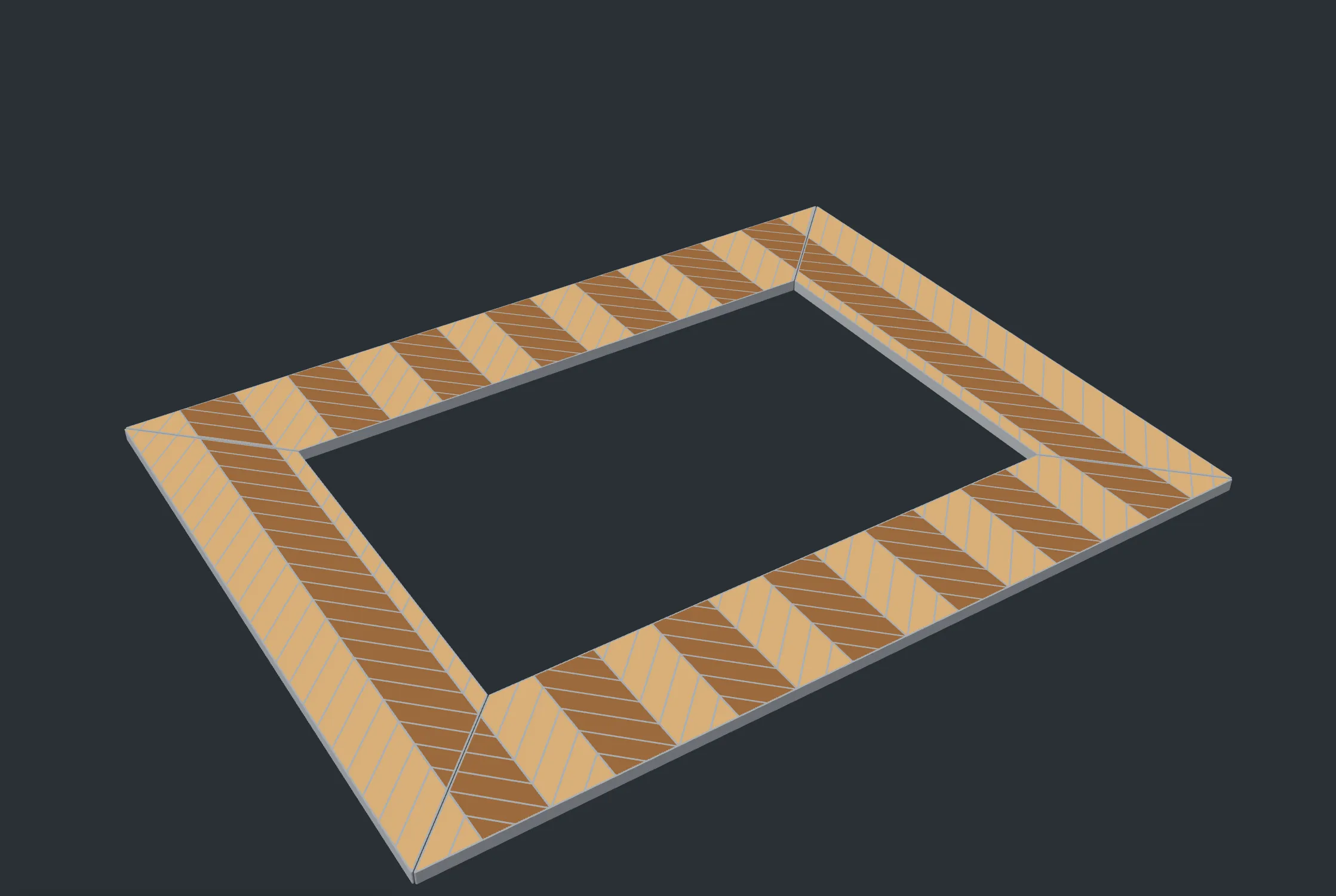
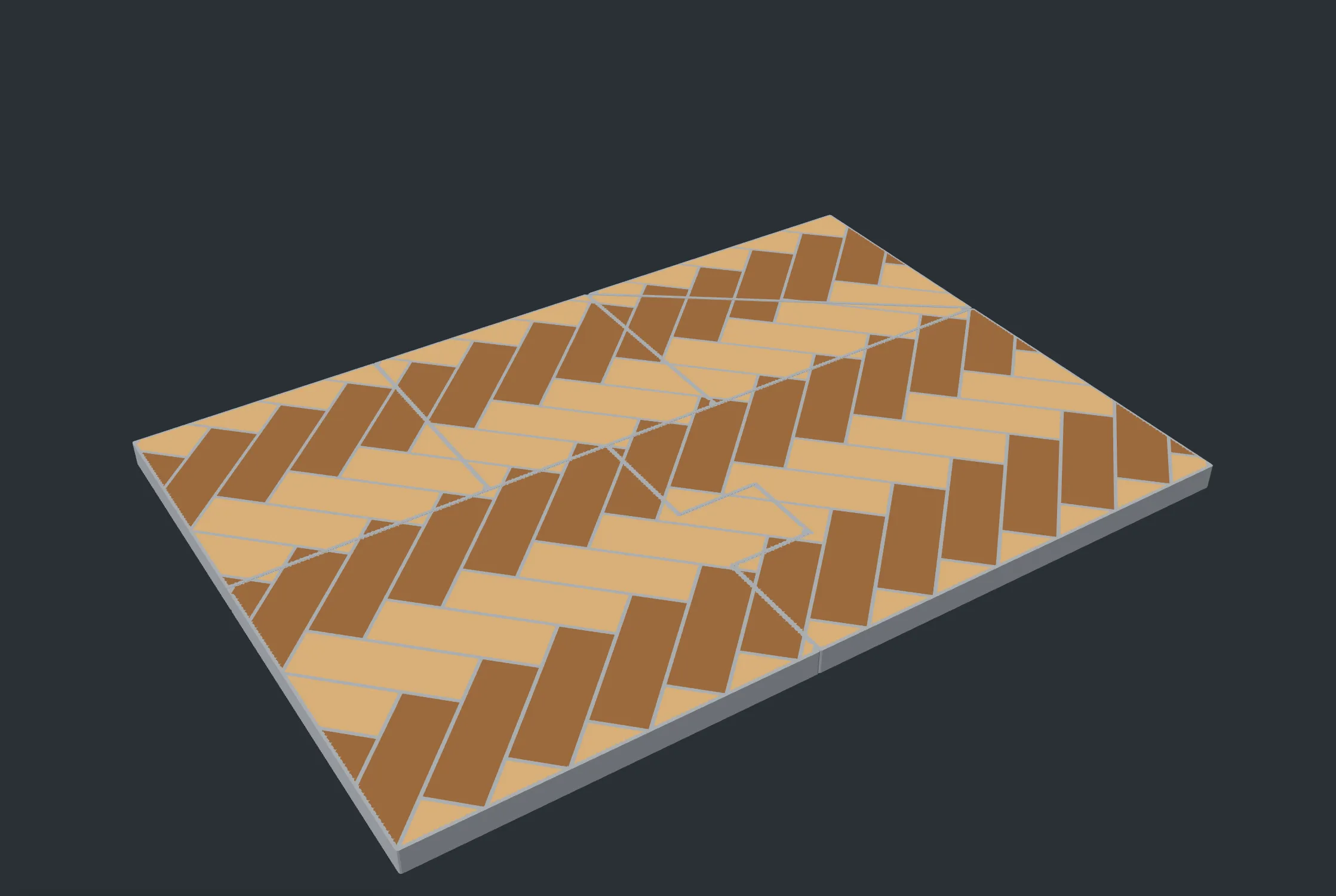
Herringbone, hexagons and dozens of other patterns, laid across the top of every piece. Each tile's lines run their own way, so the pattern catches the light, even in one colour.
For macOS, Windows and Linux. Opens G-code from Bambu Studio, OrcaSlicer and PrusaSlicer.
Put the pieces where they go. TessaFab works out which part of the pattern lands on each one, however it sits on the bed.
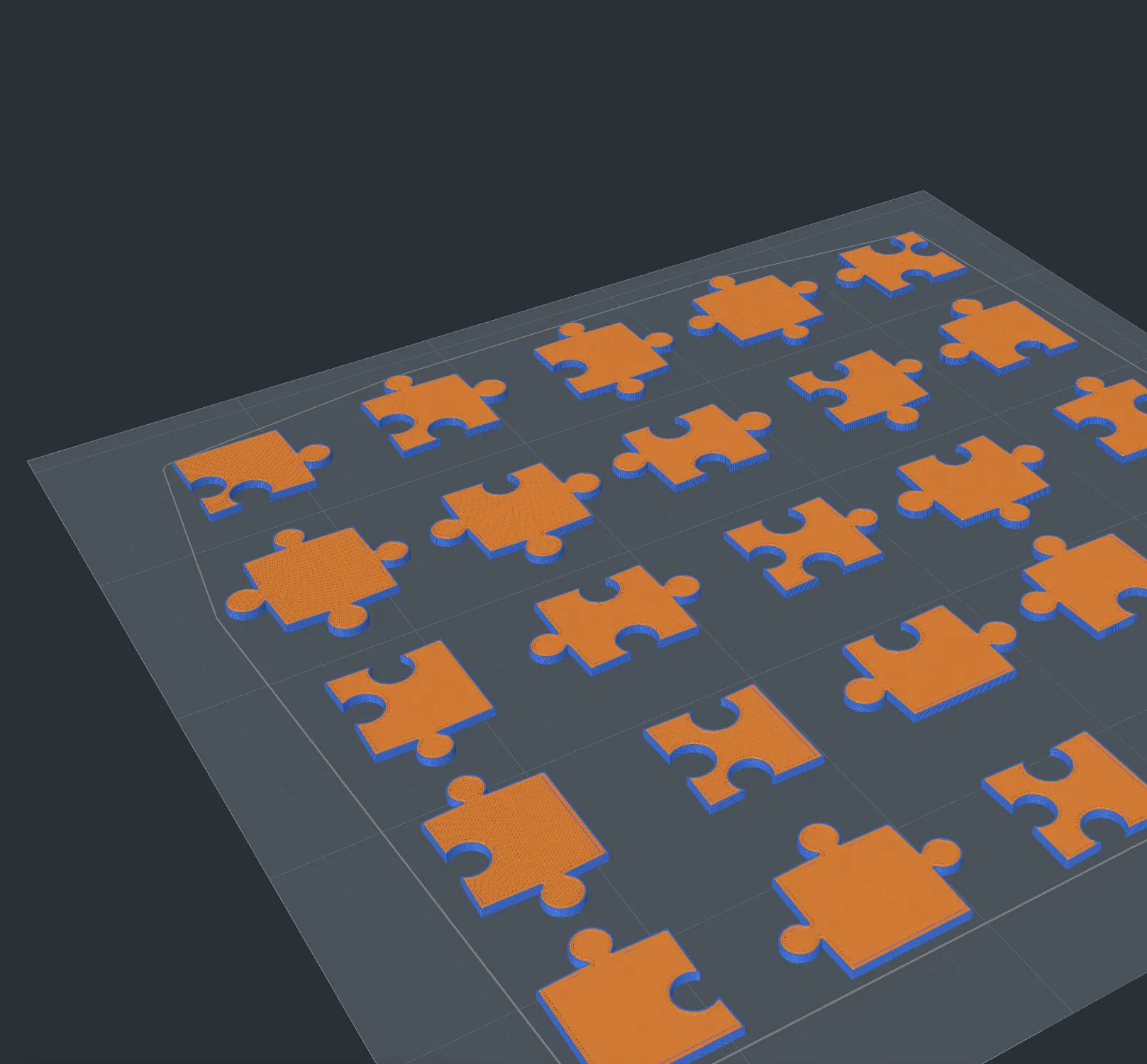
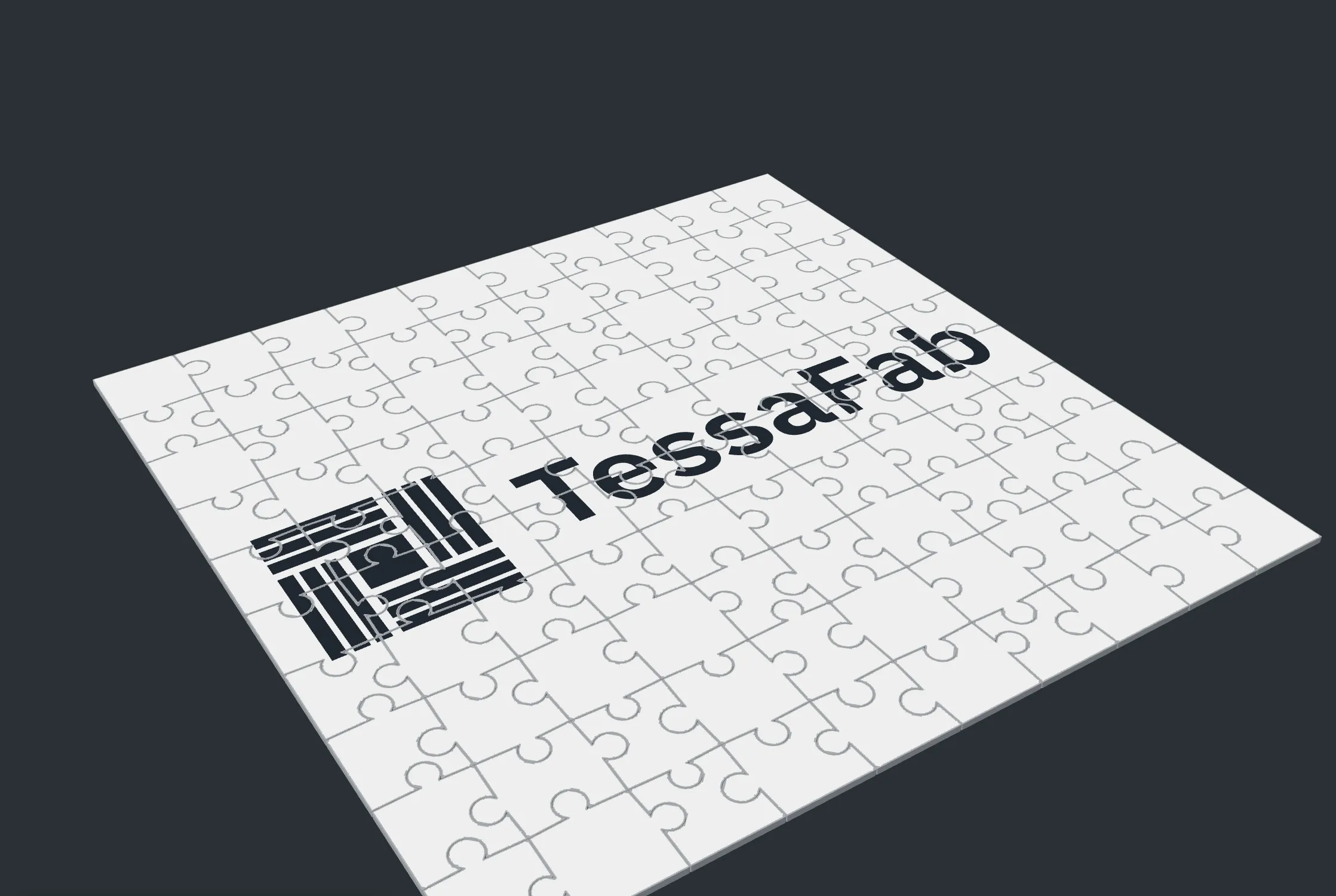
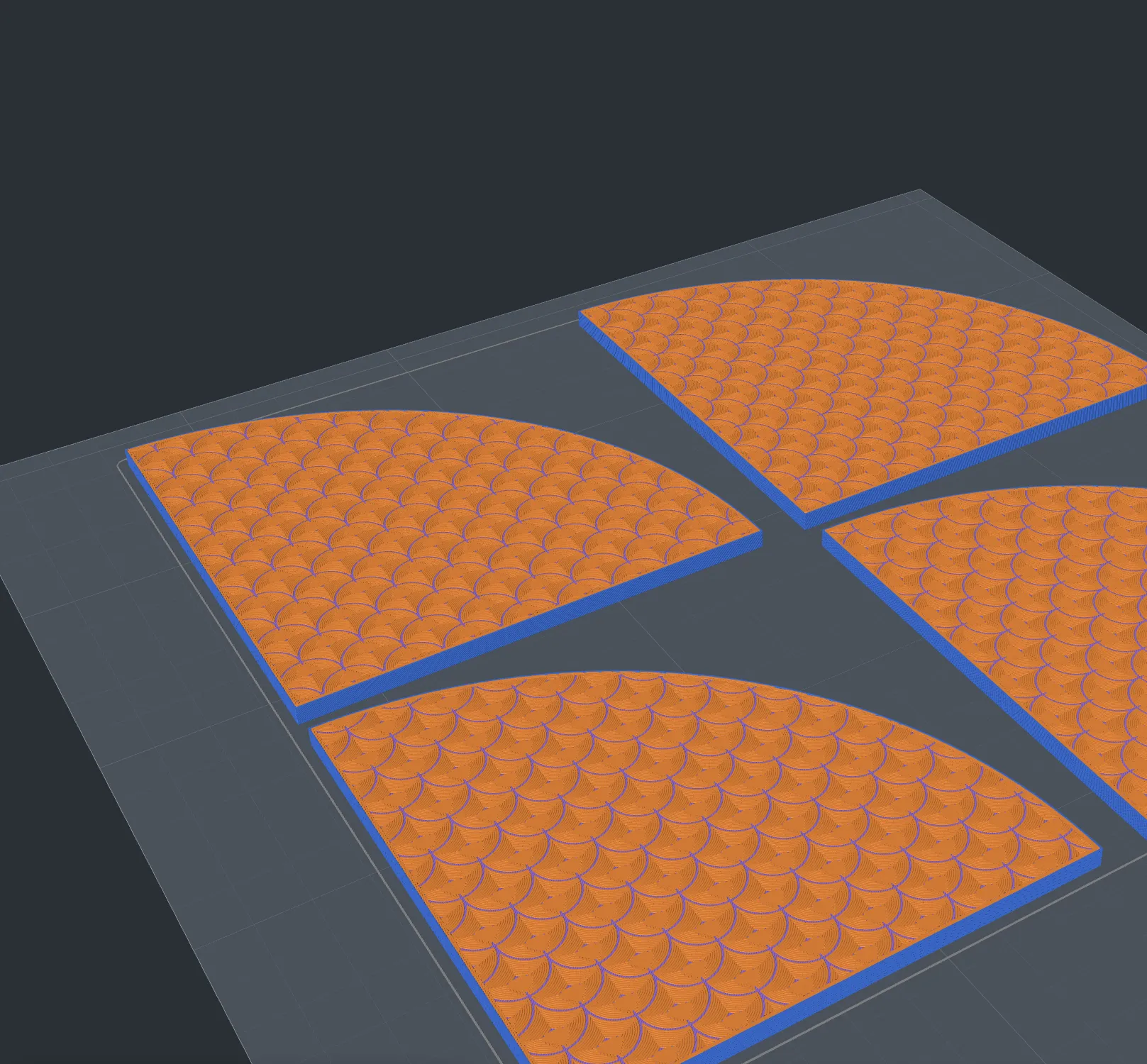
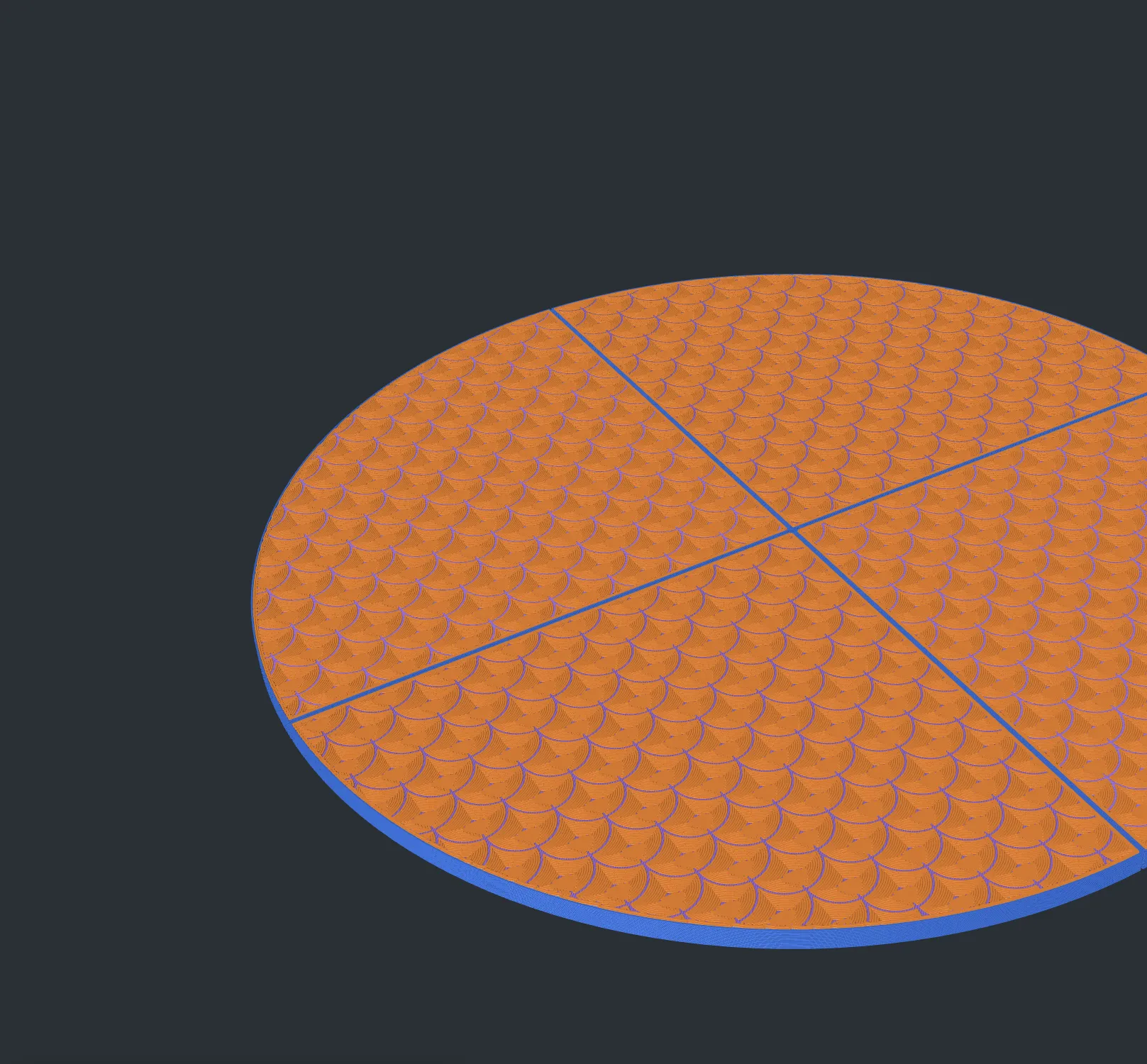
Nothing changes in how you model or slice. TessaFab rewrites only the top surfaces. Walk through it in the docs.
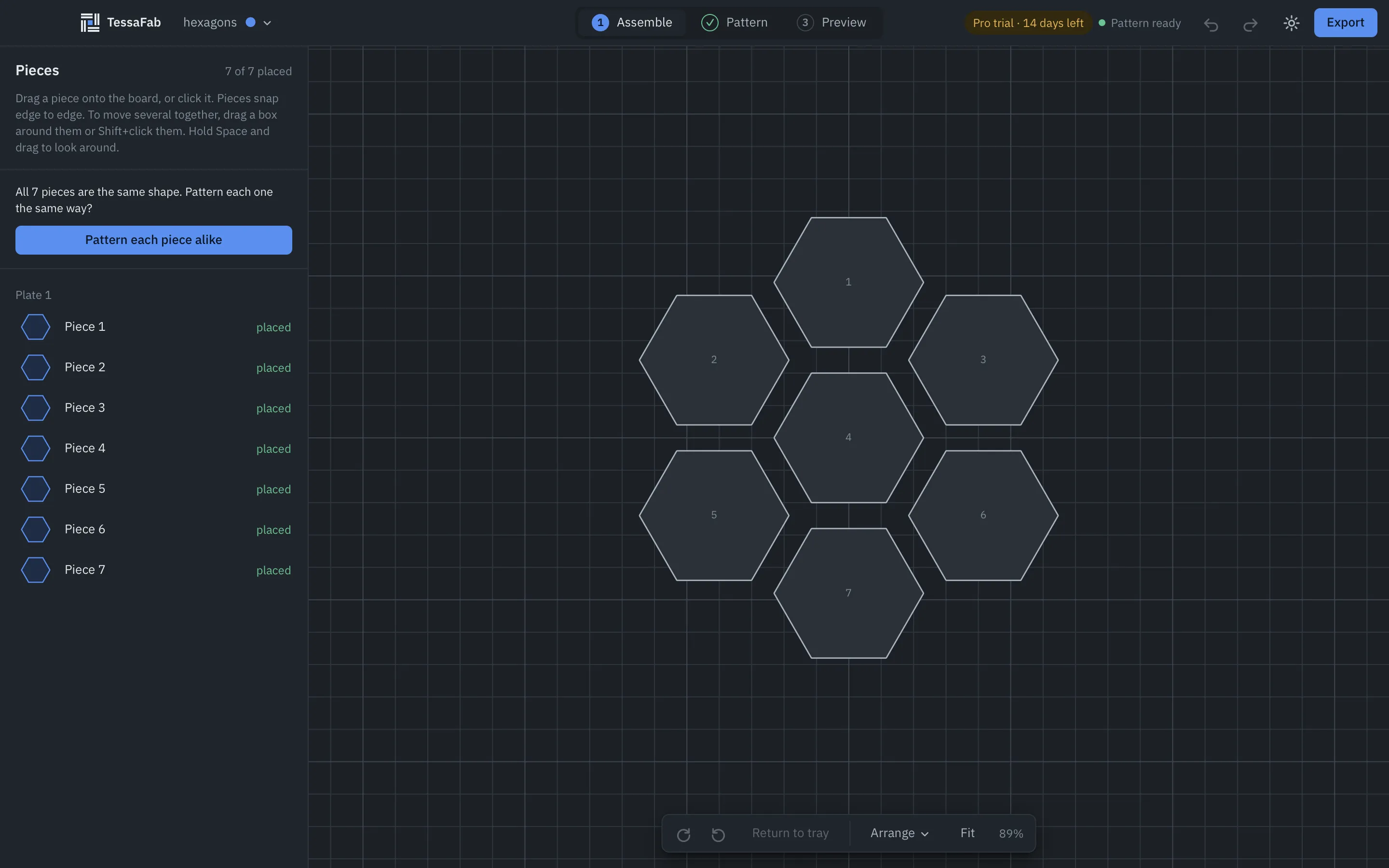
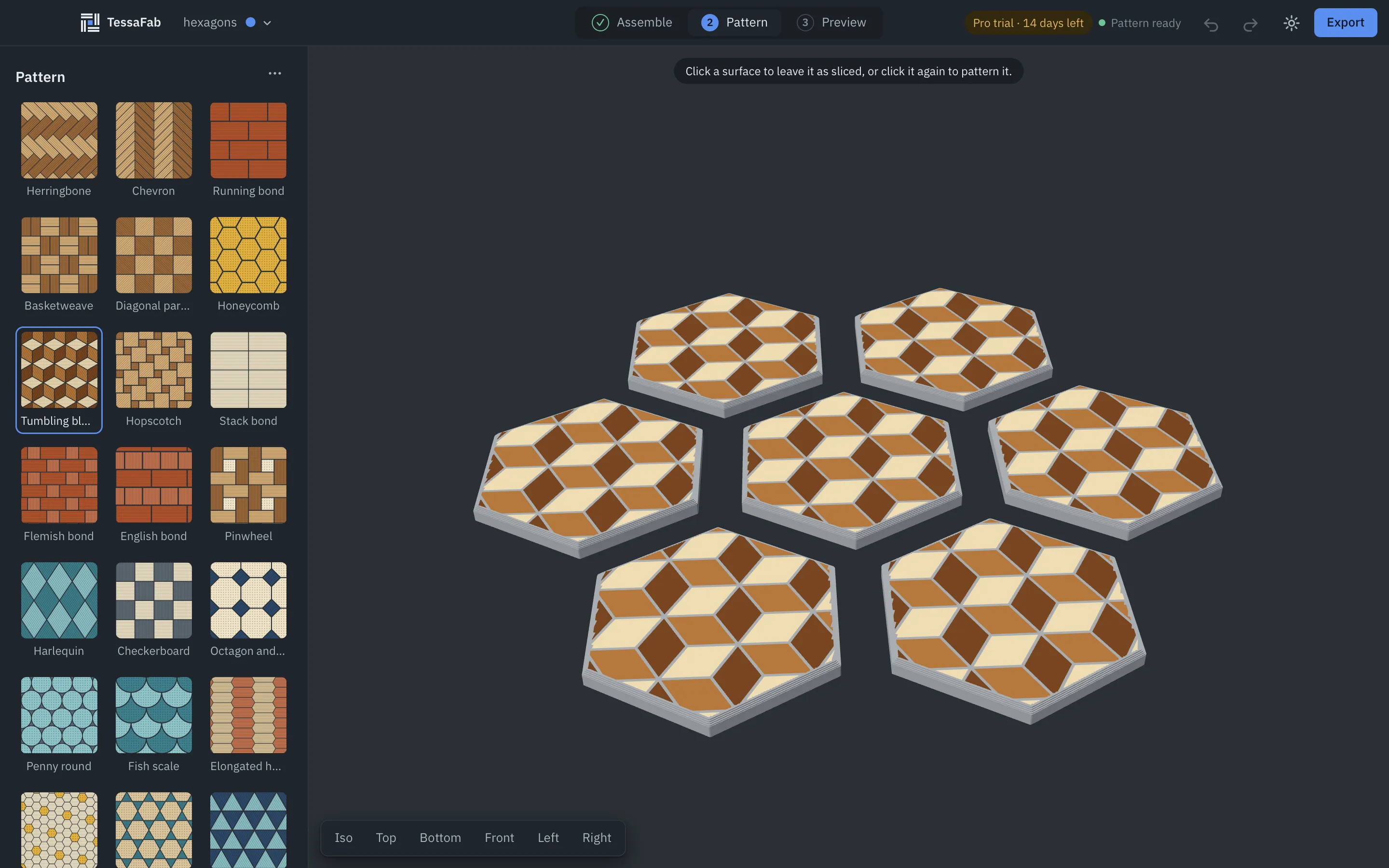
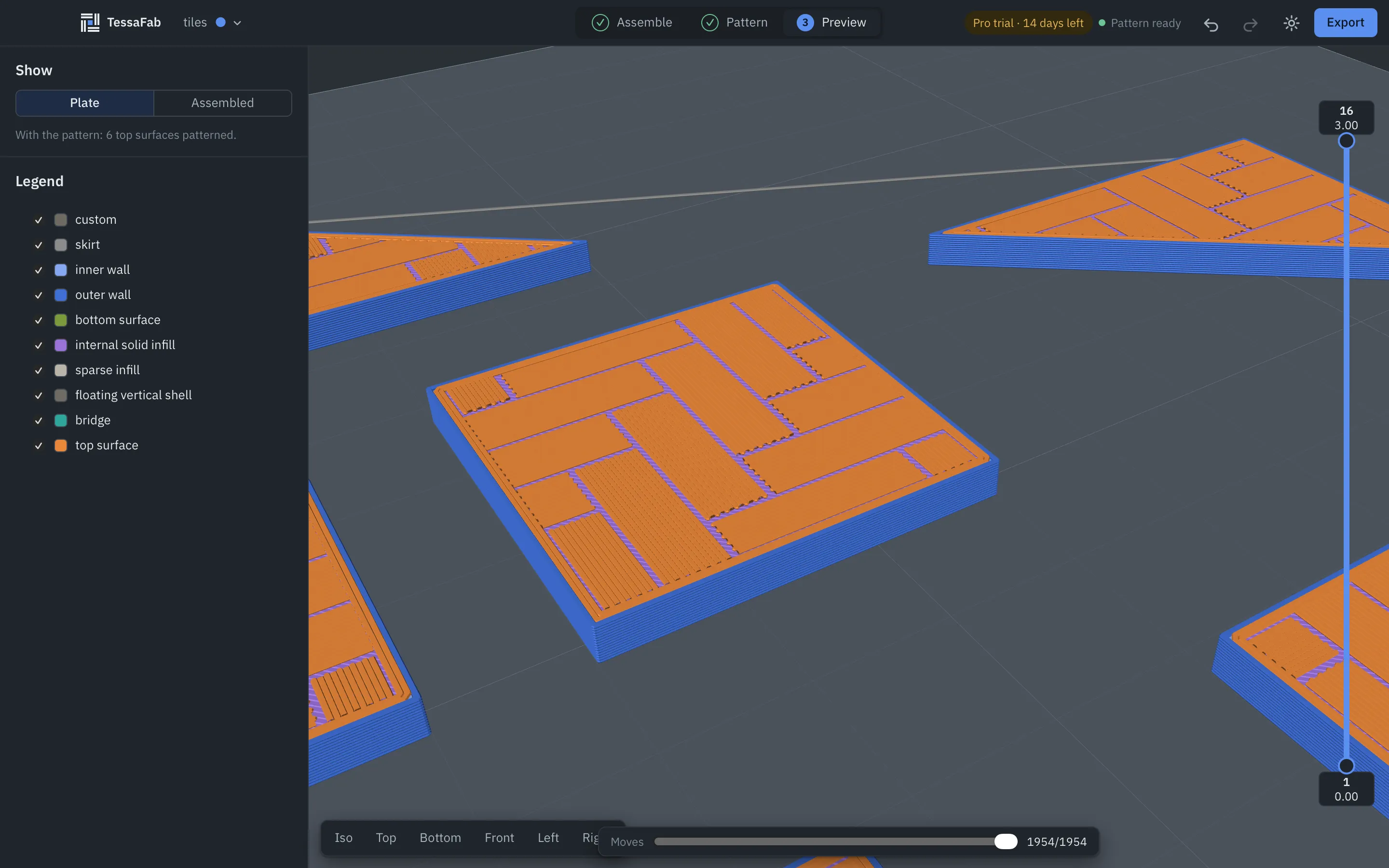
Floors, walls and tiles from around the world, each with its own settings (plank size, grout width, colours) and presets for other looks. See them all.
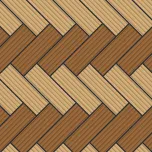 Herringbone
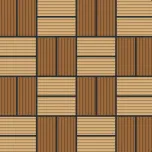 Basketweave
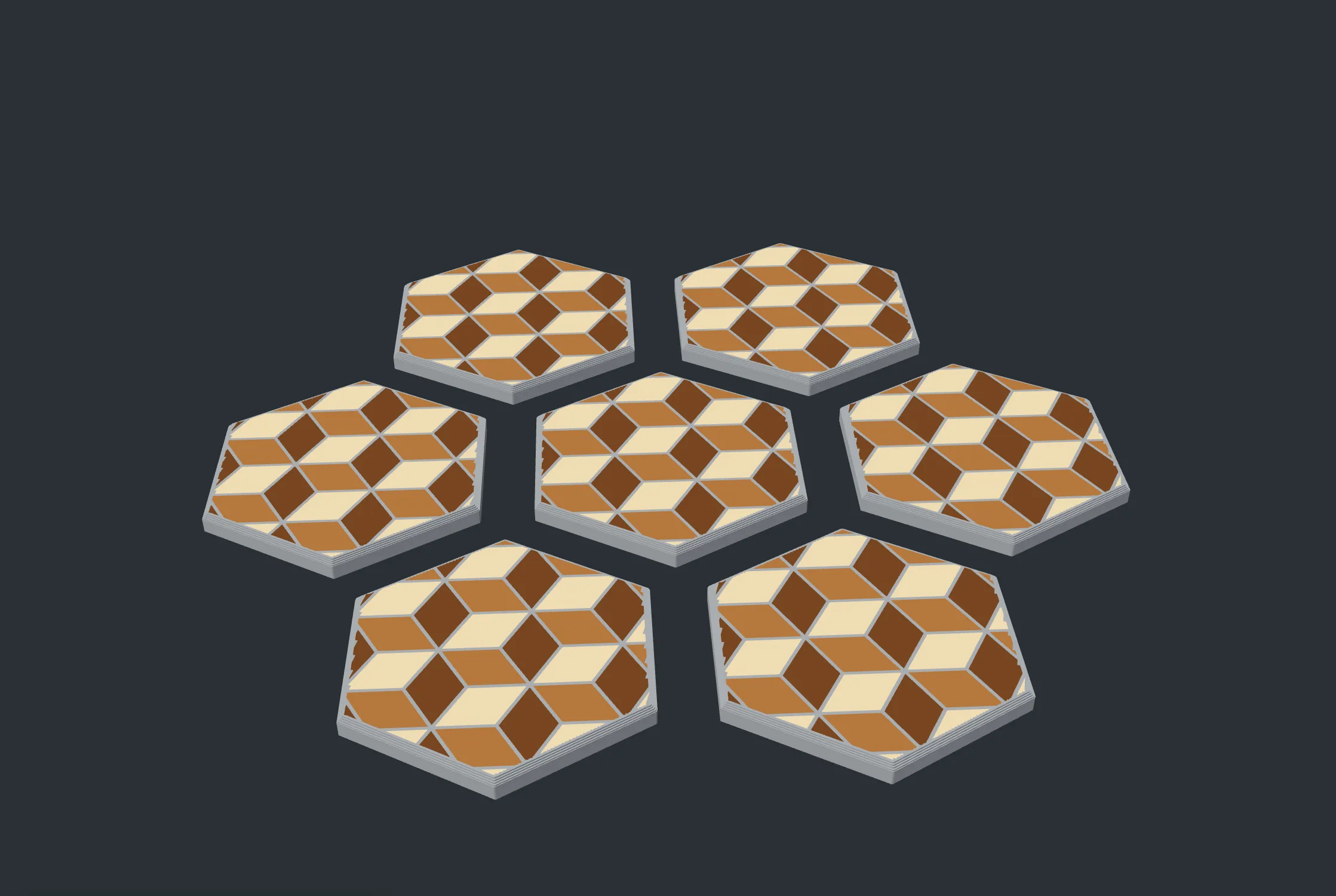
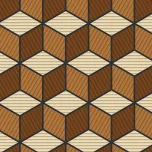 Tumbling blocks
 Honeycomb
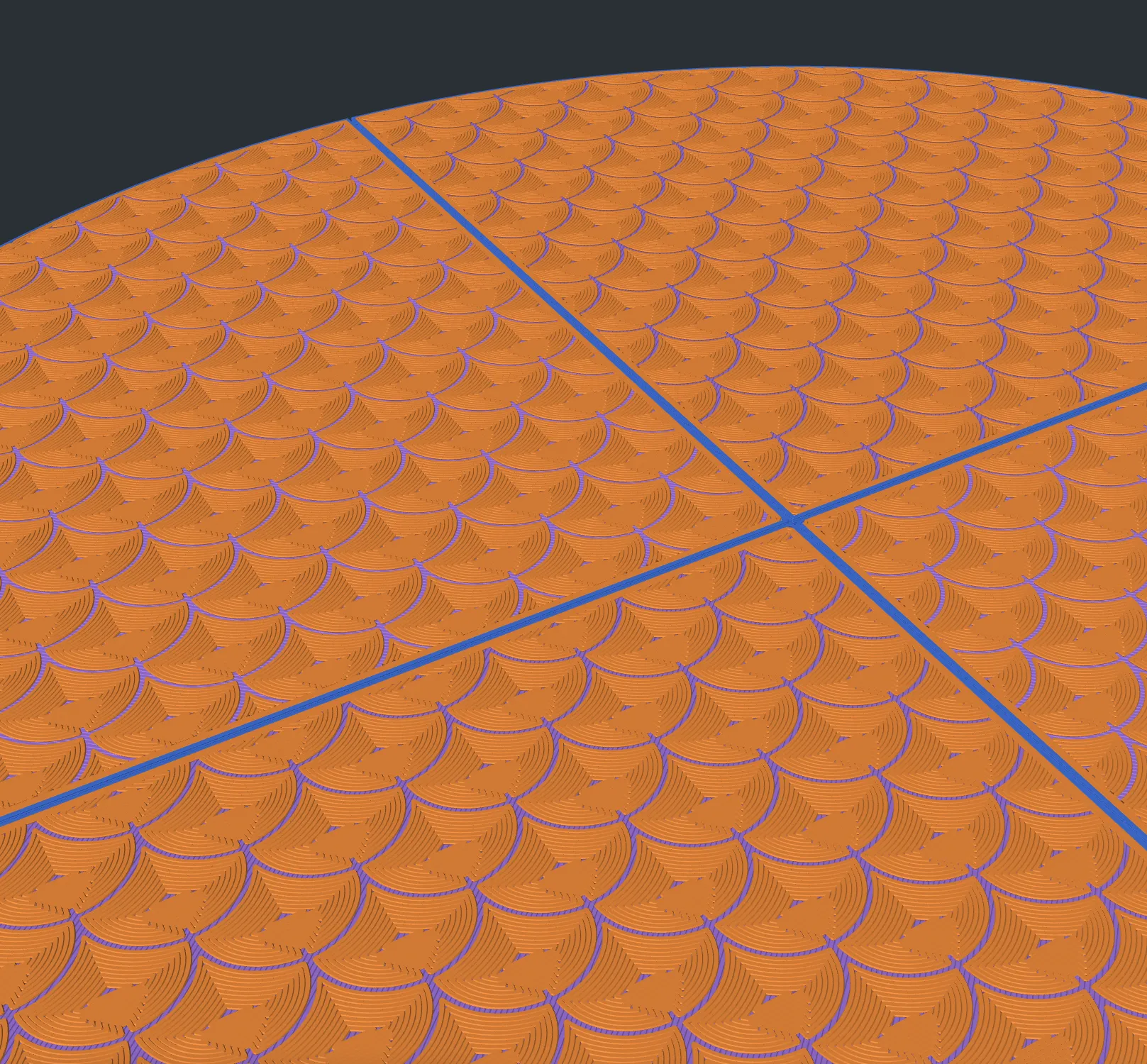
 Fish scale
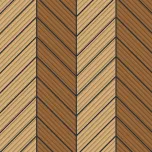 Chevron
 Harlequin
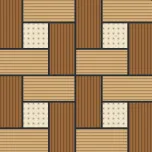 Pinwheel
 Ogee
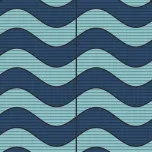 Waves
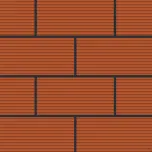 Running bond
 Triangles
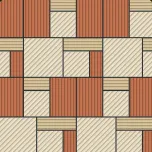 French pattern
 Star and cross
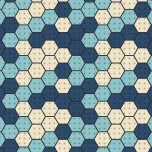 Hexagon mosaic
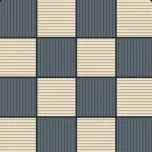 Checkerboard
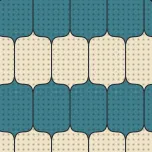 Lantern
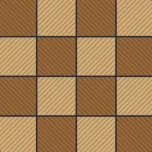 Diagonal parquet
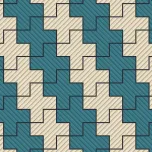 Crosses
 Penny round
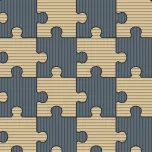 Jigsaw
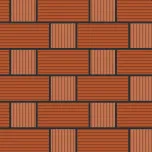 Flemish bond
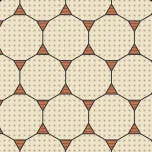 Dodecagons
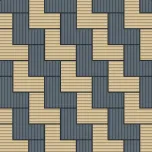 Staircase
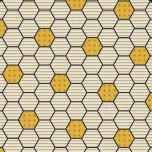 Hexagon flower
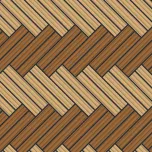 Double herringbone
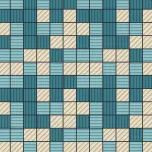 Mosaic
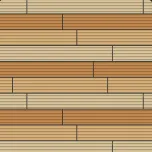 Floorboards
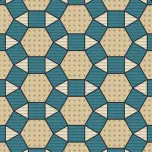 Hexagons squares
 Arrows
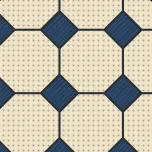 Octagon dot
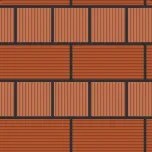 English bond
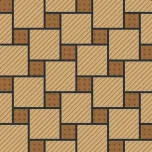 Hopscotch
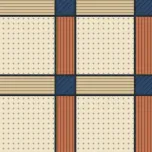 Garden lattice
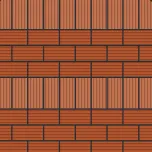 Soldier course
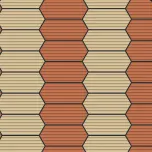 Elongated hexagon
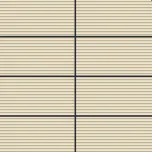 Stack bond
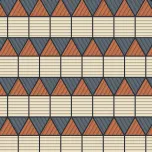 Squares triangles
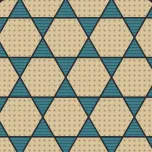 Hexagons triangles
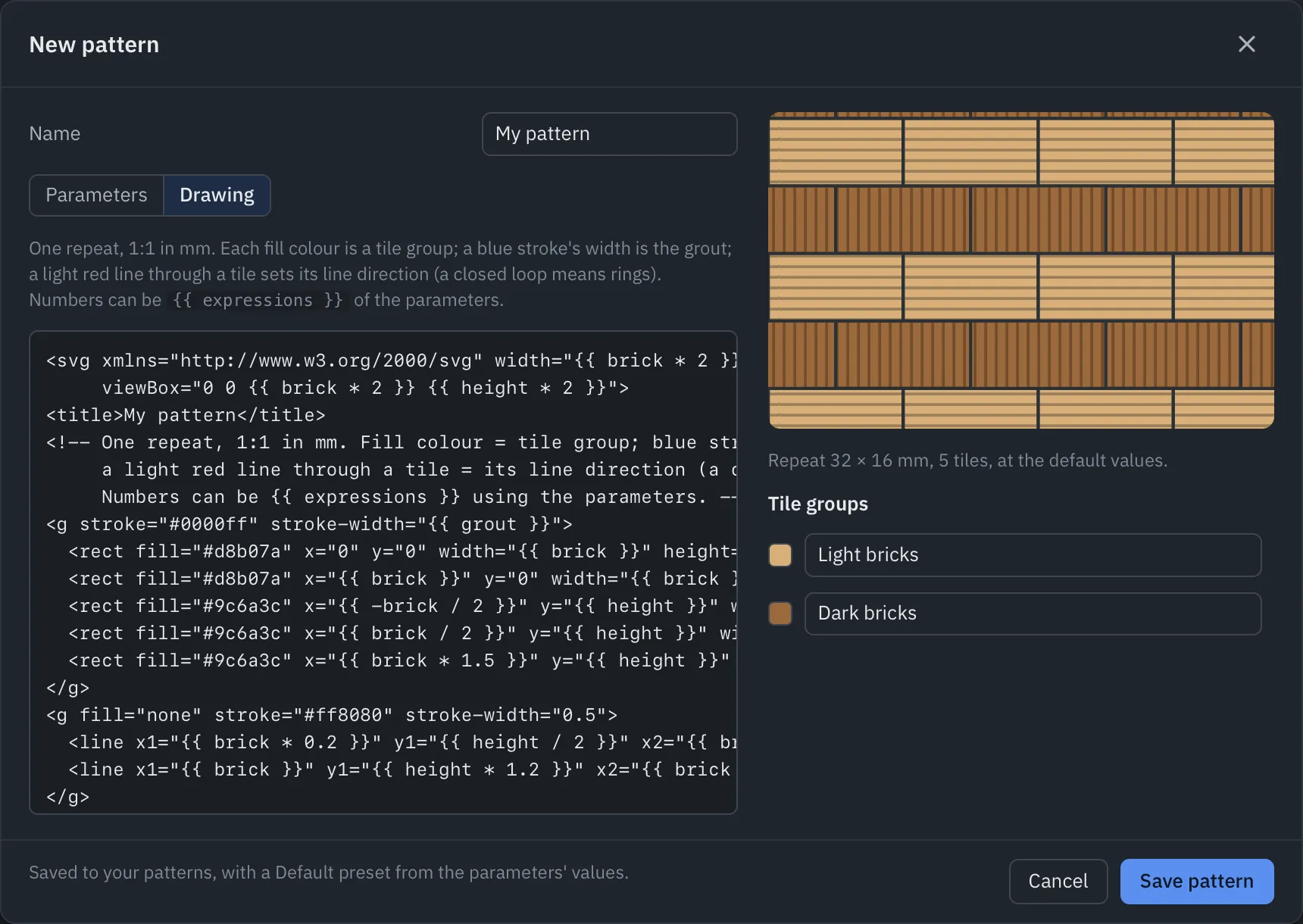
Any SVG editor works. Fill colour picks the tile group, a blue stroke is grout, a red line sets the direction. Share them as pattern packs.
A logo, some lettering or a photo becomes the pattern: repeated, or placed once across a whole assembly.
Anything made of flat-topped pieces. One piece, or hundreds across many plates.
The pattern engine, the command line and every provided pattern live on GitHub. Read how it works, build it yourself, add a pattern, send a pull request.
Written in Rust. Code under PolyForm Noncommercial 1.0.0, patterns and examples under CC BY-NC 4.0: free for any non-commercial use. Selling what you make needs Pro.
crates/patternpatterns and assembliescrates/enginethe G-code enginecrates/serverJSON-RPC for front endscrates/clithe tessafab command linepatterns/every pattern, as SVGexamples/sliced models, ready to try$ cargo build --release
$ tessafab --project coaster.tessafab.json plate_1.gcodeAdd tessafab as a post-processing script and every slice comes out patterned.
tessafab --projectStart free on any file. Upgrade when the pattern needs to run across everything.
Everything in Free, and:
Four sliced, assembled and patterned examples open from the start screen.